Cannabigerol (CBG) is a cannabinoid in the hemp/cannabis plant that’s become increasingly well-known for its anti-inflammatory properties.
But what about gut health and irritable bowel syndrome (IBS)? Do these same properties translate into benefits here?
In short, yes, CBG may support people with IBS by addressing inflammation in the gut.
In this article, we’ll take a look at the benefits of CBG for IBS, how it works in the body, and how it compares to cannabidiol (CBD) for this purpose.

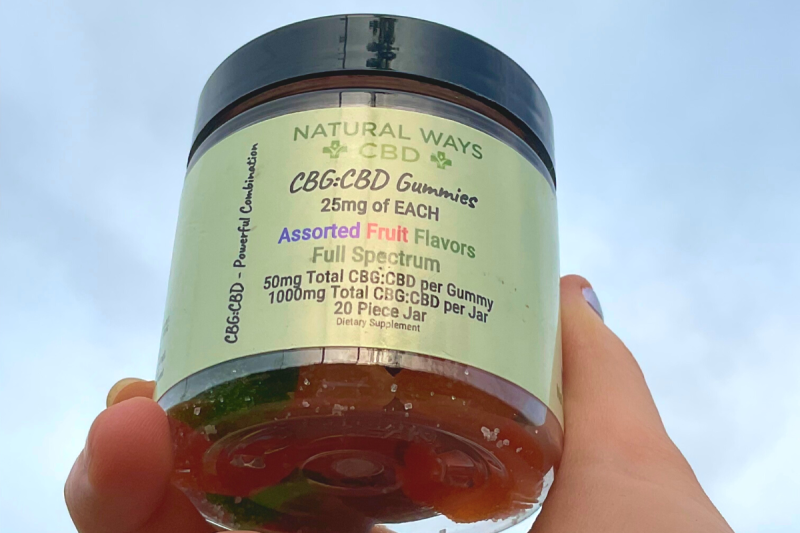
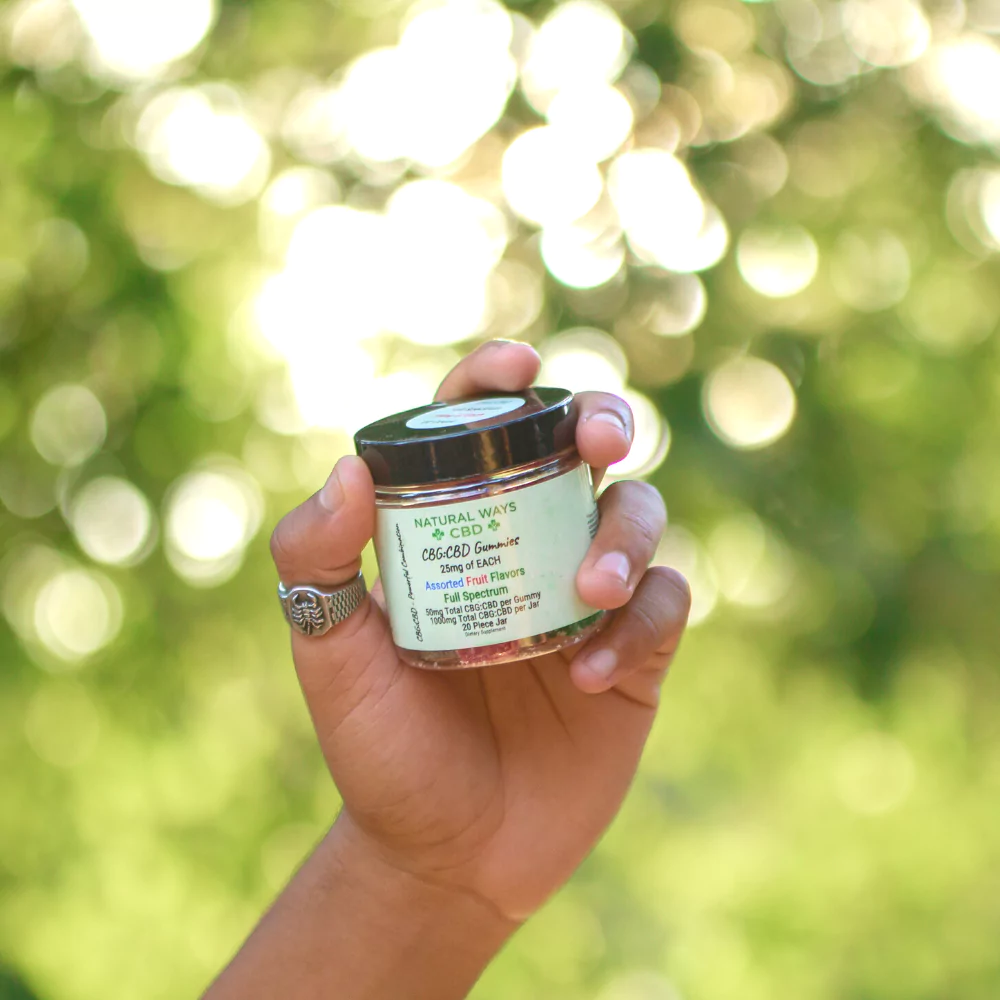
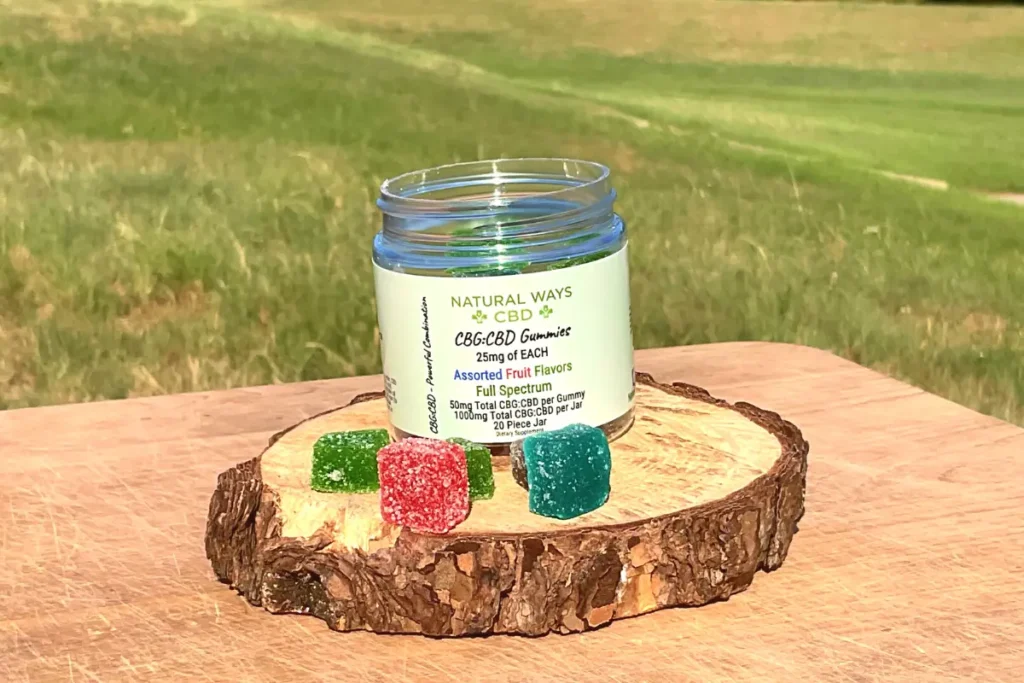
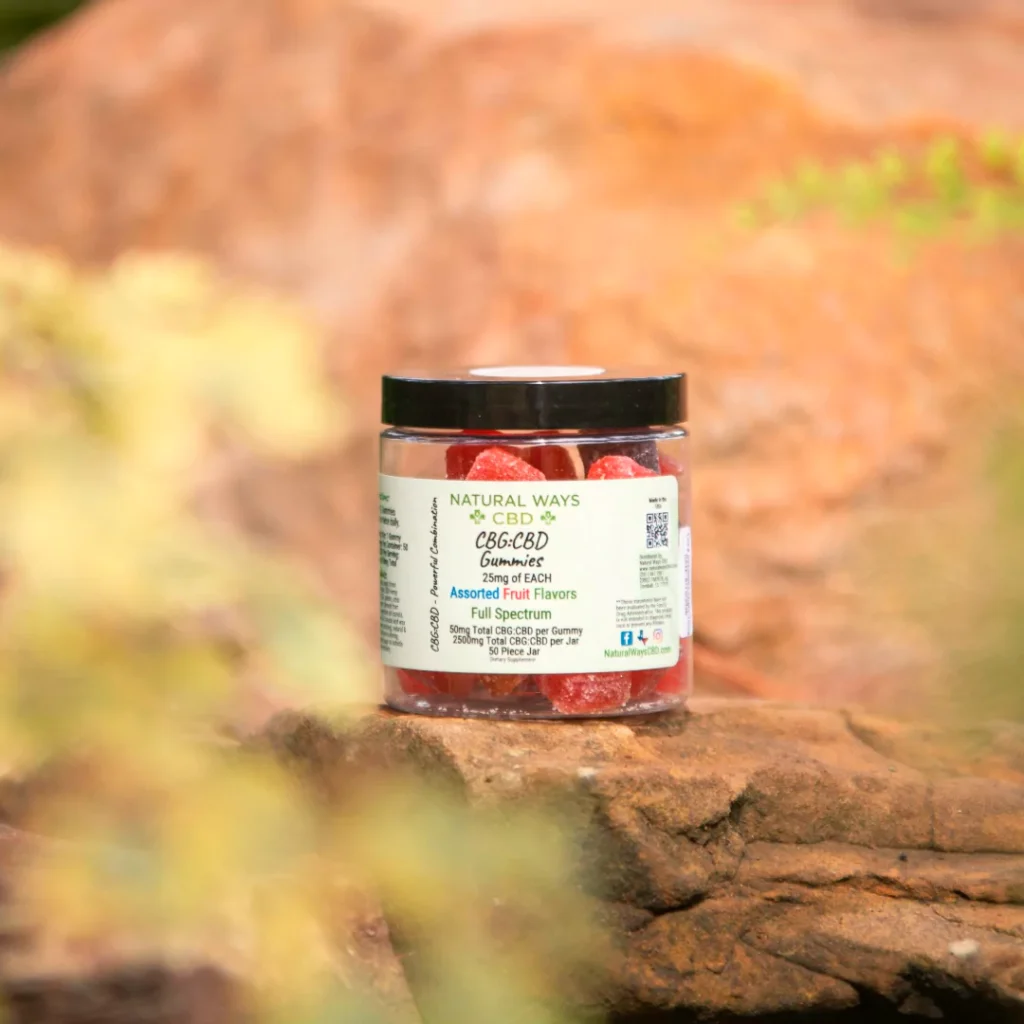
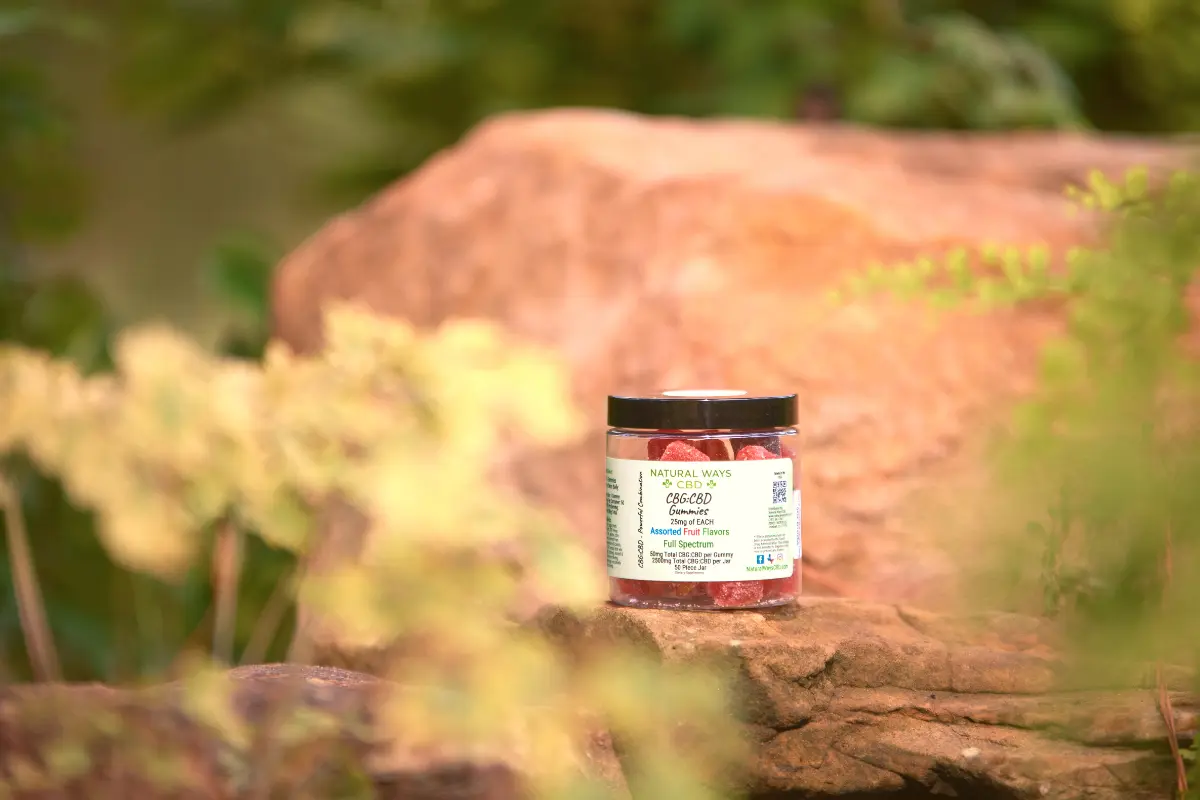
Unlock the entourage effect with our CBG:CBD gummies. 25mg CBG & 25mg CBD per piece. American-made and 3rd-party lab tested.
What is CBG?
Cannabigerol (CBG) is one of more than 100 naturally occurring cannabinoids in the cannabis sativa plant (hemp is simply cannabis containing less than 0.3% THC by dry weight).
CBG is considered a minor cannabinoid because it’s only found in hemp in small amounts. Despite its scarcity, though, CBG offers major benefits.
Research and anecdotal evidence suggest CBG has therapeutic potential for pain, inflammation, anxiety, and depression.
Can CBG Help With Irritable Bowel Syndrome (IBS)?
Yes, CBG may have benefits for people with IBS. Preliminary research suggests CBG may reduce pain, swelling, and inflammation, and that it may have therapeutic potential for reducing IBS symptoms.
However, more research is needed, and CBG is best thought of as a natural supplement for IBS, rather than a treatment or a replacement for traditional medicine.
CBG for inflammation & IBS
Research suggests CBG may help with IBS by addressing inflammation.
One preliminary study concluded that CBG has therapeutic potential for IBS, and that it should be considered for clinical experimentation for this purpose [1].
Another study showed that CBG may reduce pain, swelling, and inflammation, and concluded that specific derivatives of CBG have the potential to be developed as drugs for inflammatory conditions (such as IBS) [2].
CBG as an alternative to IBS medications
Preliminary research indicates that CBG may have potential as an alternative to medications for IBS, as well as for inflammation, more generally.
One research review concluded that CBG’s anti-inflammatory properties make it a viable replacement for NSAIDs (non-steroidal anti-inflammatory drugs), which are used to treat inflammatory conditions like IBS [3].
People who take CBG also say the same. In a survey of 127 people who used CBG-predominant cannabis or products made from it, 73.9% of respondents claimed that it was superior to prescription medications for chronic pain [4].
From all of this evidence, it’s clear that although CBG hasn’t been extensively researched for IBS, it has anti-inflammatory potential, and many researchers believe it can help.
However, it’s important that we reiterate that CBG is not yet a proven replacement for IBS medications, and that if you have IBS, you should only take CBG unless you clear it with your doctor first. It’s a supplement, not a comprehensive treatment.
How CBG Works for IBS
CBG works for IBS via your body’s endocannabinoid system (ECS), a receptor system responsible for regulating your vital functions, including the inflammatory and pain responses and your immune system.
The ECS works to keep your body in a state of homeostasis, or balance – it works to combat both physical and mental discomfort and restore order to the chaos.
There are two main types of receptors in your ECS: CB1 and CB2 receptors. CB1 receptors are responsible for regulating the mental effects of cannabinoids, while CB2 receptors are focused on the physical effects.
CBG binds to both types of receptors, rendering mental and physical effects. In addition to addressing physical discomfort, such as inflammation, CBG also renders uplifting, energizing effects without compromising your cognitive functions.
In this way, CBG may be therapeutically beneficial to people dealing with IBS.
Can CBG Replace IBS Medications?
CBG has the potential to replace IBS medications, but more research is needed before it can be regarded as a proven, reliable replacement.
One of the main reasons people turn to CBG and other natural alternatives for IBS is that many prescriptions have unpleasant side effects and significant downsides.
Viberzi (Eluxadoline), for example, is a medication designed to ease diarrhea. Side effects of Viberzi include nausea, abdominal pain, and mild constipation.
Other medications, such as Amitiza (Lubiprostone) – a medication designed for women who have IBS and constipation – cause diarrhea, headache, and nausea.
CBG might be able to help. While it’s not yet a proven replacement for IBS medications, the benefits CBG provides means it may allow you to reduce the amount of prescriptions you’re taking.
However, it’s important to speak to your doctor before supplementing IBS medications – especially if you’re attempting to replace them altogether.
How to Take CBG for IBS
If you’re ready to get started with CBG for IBS, here’s what you need to know about dosage and product selection.
CBG dosage for IBS
Generally speaking, we recommend you start by taking 30-60mg of CBG per day for physical discomfort, including inflammation.
You can use our medium-strength CBG dosage formula to find a dose suited to your body:
(0.3) x (your body weight in lbs.) = your daily CBG dosage in mg.
Once you’ve taken your dose a few times, gradually adjust it depending on how it’s working for you. Some people report success with just 10-20mg of CBG, although many people find that higher doses are more effective.
CBG products for IBS
There are many different ways you can consume CBG. Here’s a bit of information about each type of product so you’re able to select one that’s right for you:
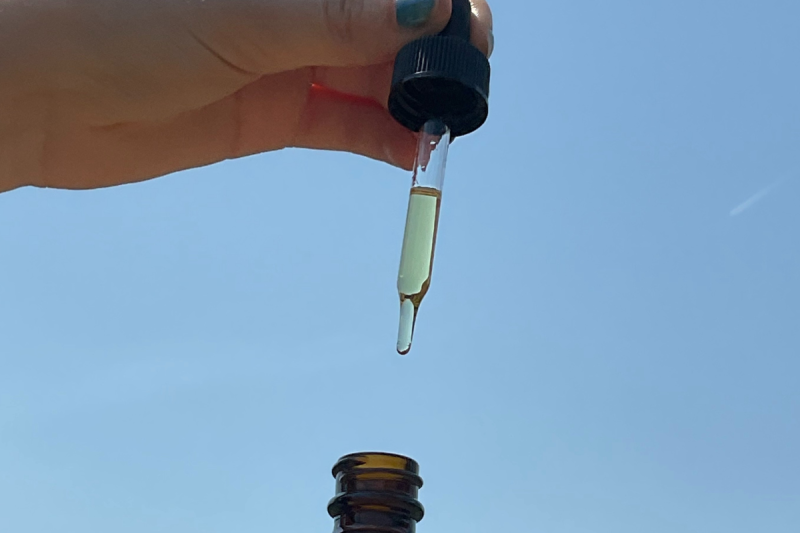
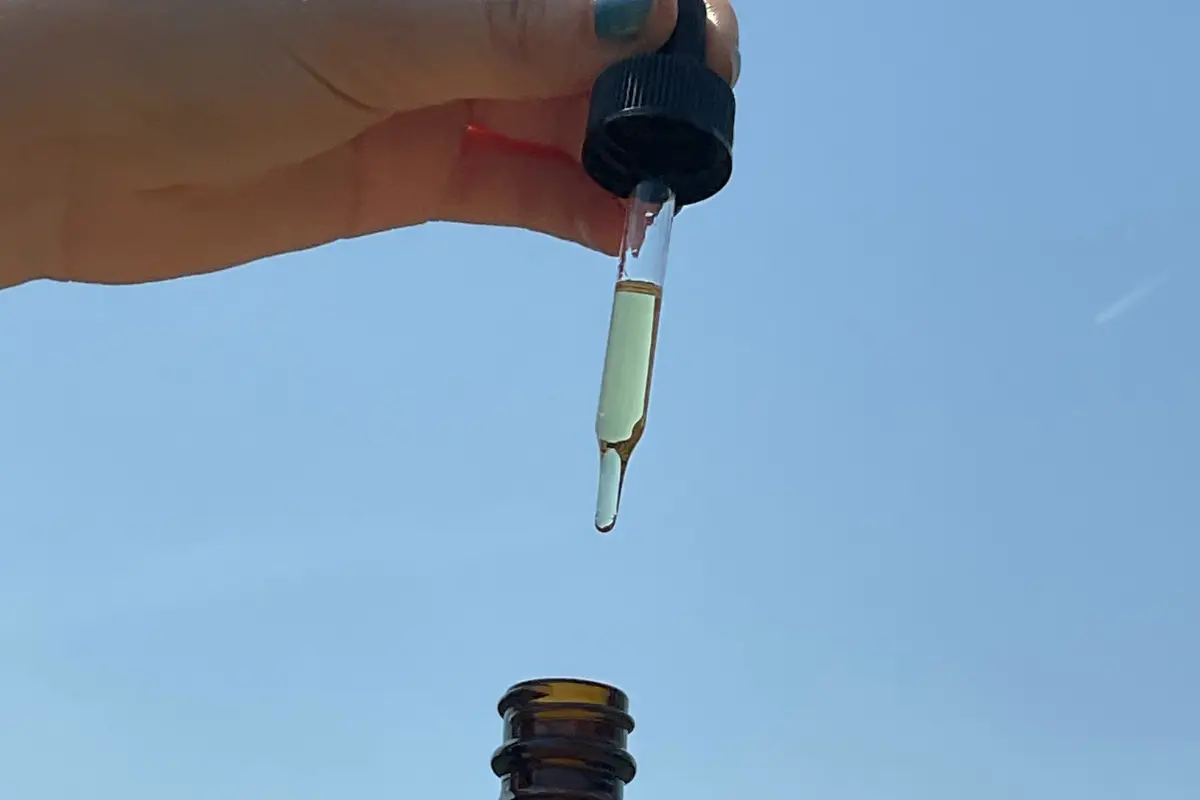
- CBG Oil: CBG oil combines hemp extract (the CBG) and carrier oil to create a liquid product that you can dose precisely. Oil can be taken under the tongue, where it absorbs through the blood vessels on the bottom of your mouth. This allows for a quick onset; CBG oil begins working in just 10-15 minutes.
- CBG Edibles: CBG edibles (such as gummies) offer a fixed-dose consumption method. They’re ideal if you’re taking the same amount of CBG each time. However, since you have to digest them, edibles take 45 minutes to 1 hour to begin rendering effects.
- CBG Capsules: CBG capsules allow CBG to be taken in a gel capsule (similar to over-the-counter ibuprofen). They’re quick, tasteless, and begin working in 45 minutes to 1 hour.
- Inhalable CBG Products: CBG-rich hemp flower strains and CBG vapes are two other ways to consume this cannabinoid. Although inhaling CBG comes with an obvious health downside, flower and vapes begin working in just 5-10 minutes, as they deliver CBG directly to your lungs.
CBG vs. CBD for IBS
Like CBG, cannabidiol (CBD) is a naturally-occurring cannabinoid that may have therapeutic potential for IBS. Research suggests both cannabinoids may have anti-inflammatory and analgesic (pain-relieving) properties.
While we don’t have research comparing the efficacy of CBG and CBD for IBS, anecdotal evidence suggests CBG may be a bit more effective for this purpose.
CBG tends to be a bit stronger when it comes to promoting physical relaxation, and it also renders mentally uplifting effects, which can help improve your energy and mood as you work through IBS. CBD tends not to render noticeable mental sensations.
However, in many cases, you’re better off taking CBG and CBD together for IBS than taking either one in isolation. When taken in combination, CBG and CBD increase each other’s physical benefits while balancing the mental side of things, thereby rendering better relief overall.
Conclusion: CBG, Gut Health, and IBS
CBG offers a natural way to supplement, or in some cases, replace IBS medications.
Many people have found that it works better than these medications, and with fewer side effects – especially when combined with CBD.
However, it’s not yet a scientifically verified or FDA-approved treatment, so just be sure to consult with your doctor before making any changes to your IBS regimen.
They’ll be able to help you make changes to your treatment plan that’s beneficial to your short-term comfort and long-term health.
CBG for IBS: Frequently Asked Questions
Here are some questions our customers frequently ask us about CBG for IBS.
Does CBG help gut health?
Yes, CBG may promote gut health by addressing inflammation. However, CBG isn’t an FDA-approved gut health medication and should be taken with the guidance of a medical professional if you’re using it for this purpose.
Can CBG help with IBS?
Yes, CBG may have therapeutic benefits for IBS. By addressing inflammation, it may help stabilize your body’s state. However, it’s not a proven treatment for IBS, and should be used to supplement – rather than replace – traditional methods.
Is CBG good for digestive problems?
There is some scientific research that suggests CBG may promote gut health and aid digestion, however, more studies are needed.
Does CBG help with stomach inflammation?
Preliminary research suggests CBG may alleviate inflammation in the stomach and intestines, but more clinical evidence is needed before we know if CBG is a reliable anti-inflammatory.
Which cannabinoid is best for IBS?
CBG, CBD, and THC may all have benefits for IBS, but CBG is generally regarded as the best for this use due to its anti-inflammatory properties and lack of psychoactive effects.
Does CBG help with IBD?
Preliminary research suggests CBG may offer therapeutic benefits for people suffering from inflammatory bowel diseases (IBDs). However, more clinical research is needed.
Sources
[1] Borrelli F, Fasolino I, Romano B, Capasso R, Maiello F, Coppola D, Orlando P, Battista G, Pagano E, Di Marzo V, Izzo AA. Beneficial effect of the non-psychotropic plant cannabinoid cannabigerol on experimental inflammatory bowel disease. Biochem Pharmacol. 2013 May 1;85(9):1306-16. doi: 10.1016/j.bcp.2013.01.017. Epub 2013 Feb 12. PMID: 23415610.
[2] Kogan NM, Lavi Y, Topping LM, Williams RO, McCann FE, Yekhtin Z, Feldmann M, Gallily R, Mechoulam R. Novel CBG Derivatives Can Reduce Inflammation, Pain and Obesity. Molecules. 2021 Sep 15;26(18):5601. doi: 10.3390/molecules26185601. PMID: 34577072; PMCID: PMC8467477.
[3] Kogan NM, Lavi Y, Topping LM, Williams RO, McCann FE, Yekhtin Z, Feldmann M, Gallily R, Mechoulam R. Novel CBG Derivatives Can Reduce Inflammation, Pain and Obesity. Molecules. 2021 Sep 15;26(18):5601. doi: 10.3390/molecules26185601. PMID: 34577072; PMCID: PMC8467477.
[4] Russo EB, Cuttler C, Cooper ZD, Stueber A, Whiteley VL, Sexton M. Survey of Patients Employing Cannabigerol-Predominant Cannabis Preparations: Perceived Medical Effects, Adverse Events, and Withdrawal Symptoms. Cannabis Cannabinoid Res. 2022 Oct;7(5):706-716. doi: 10.1089/can.2021.0058. Epub 2021 Sep 27. PMID: 34569849; PMCID: PMC9587780.