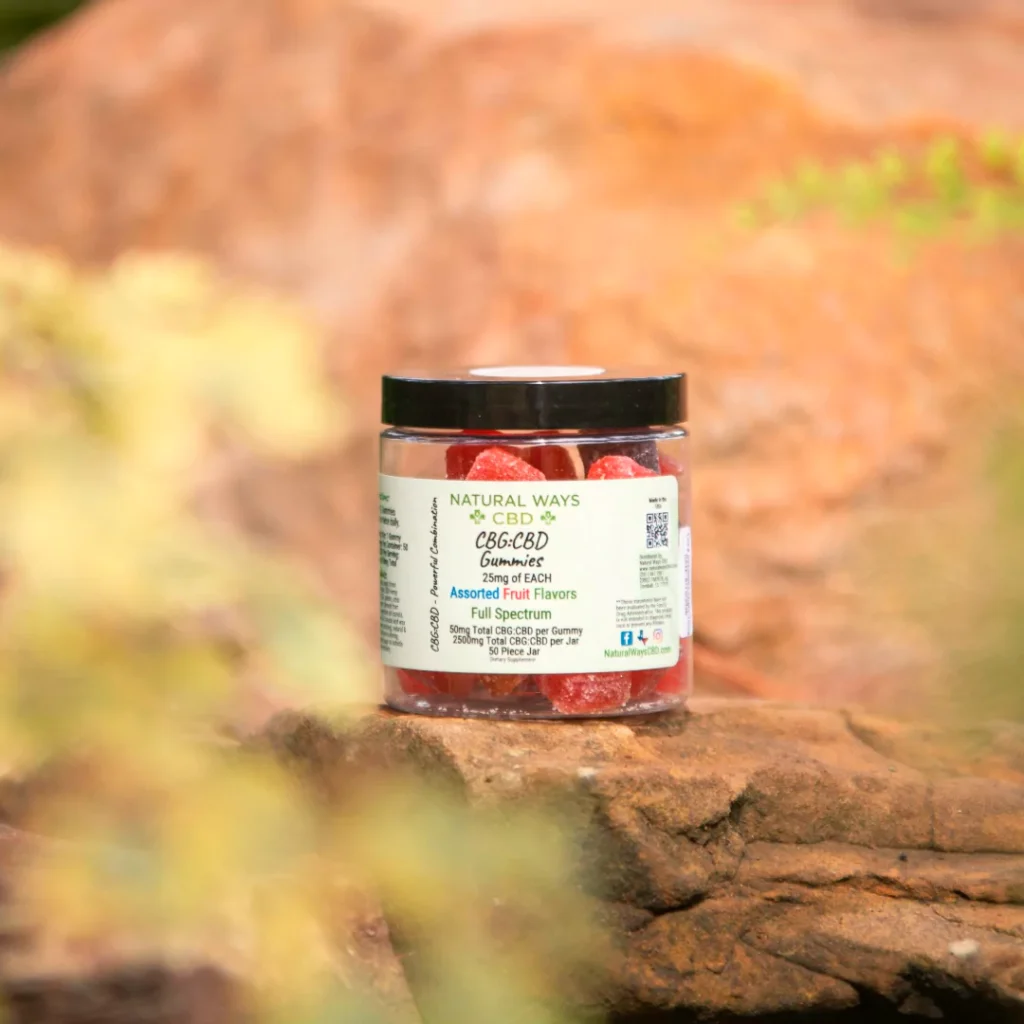
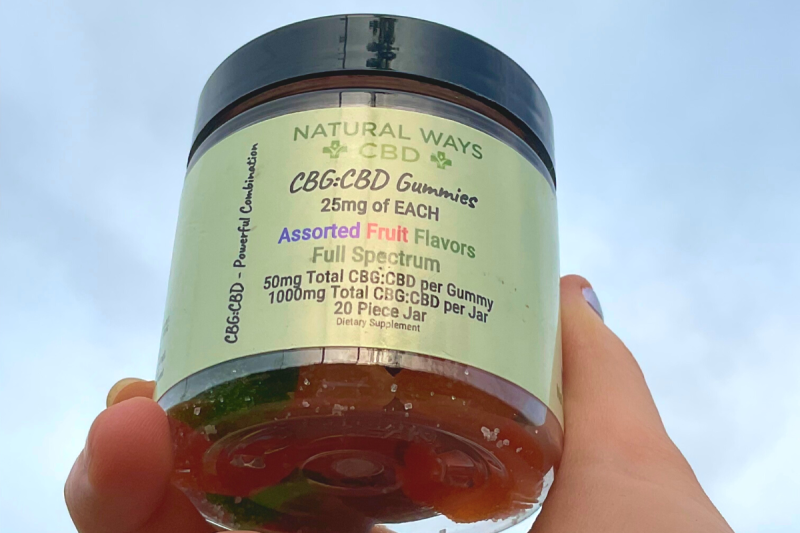
While there isn’t a large body of research on cannabigerol (CBG) yet, surveys of CBG users found that many people prefer this hemp-derived cannabinoid than traditional medicines for stress, anxiety, pain, and other conditions.
But before you give it a try, you’re probably wondering, “Does CBG get you high?”
The short answer is no. CBG will not cause you to experience a high like THC.
CBG might even reduce unwanted side effects of THC, such as anxiety and paranoia. Instead of a high, CBG creates a clear-headed and uplifting mental effect similar to caffeine.
In this article, we cover whether CBG will get you high, how it works in your body, and how it makes you feel when combined with other cannabinoids.
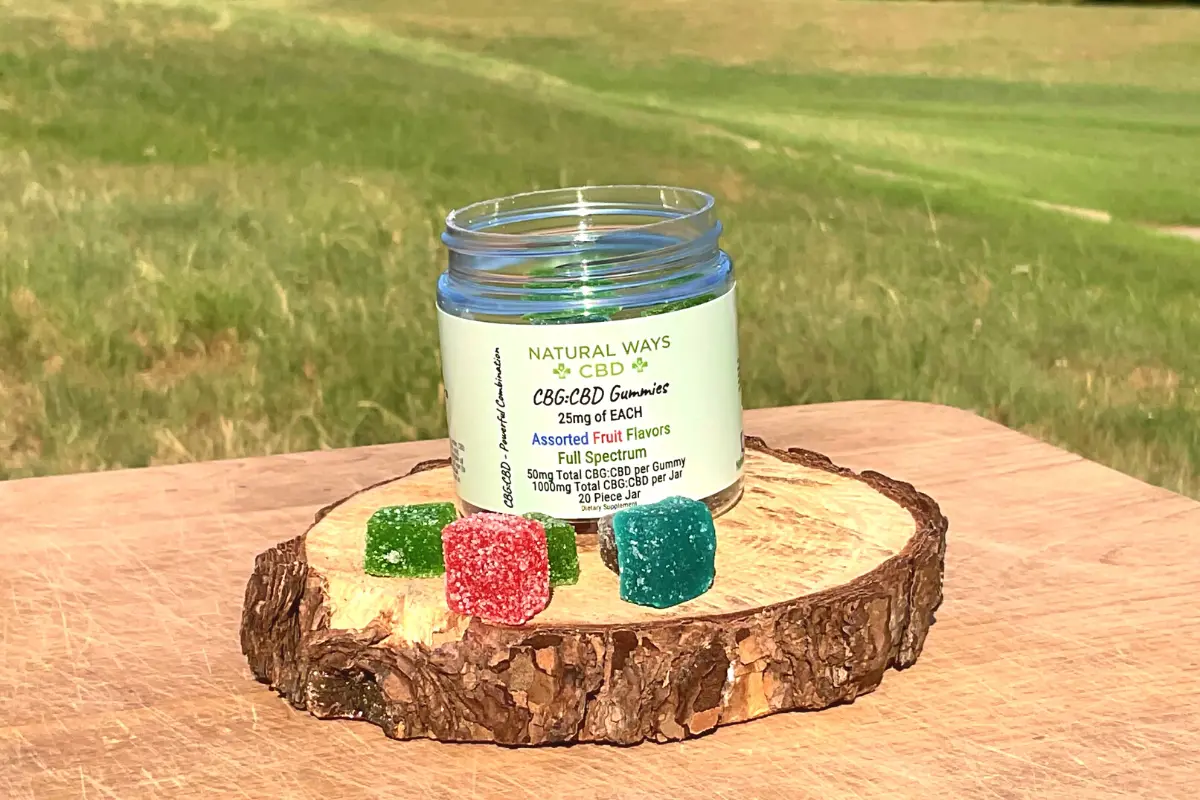
What is CBG?
Cannabigerol, or CBG, is one of more than 100 cannabinoids that naturally occur in the hemp plant.
The acidic form of CBG, CBGa, is the cannabinoid in hemp from which all others are derived, which has earned CBG the title “the mother of all cannabinoids.”
CBG is not as popular as CBD, but that may change as people discover CBG’s benefits.
In addition to helping manage health issues like stress, anxiety, and pain, it has been scientifically researched for many brain conditions, including glaucoma, Huntington’s disease, and Parkinson’s disease [1, 6].
Does CBG Get You High?
No, CBG will not get you high. This is true no matter how you take it. CBG oil, CBG gummies, CBG flower, and CBG hash or kief won’t get you high unless the product contains added delta 9 tetrahydrocannabinol (THC).
CBG is a non-intoxicating cannabinoid that will not create a high like THC does.
CBG won’t make you feel stoned or sedated either. It doesn’t create the heavy, slow, or couch-lock feeling people associate with strong THC strains.
Instead, CBG creates an uplifting, energizing mental effect similar to coffee.
Additionally, CBG tends to reduce the inebriating effects of THC if these two cannabinoids are taken together.
CBG Effects
CBG won’t get you high, but many people notice uplifting and mentally focusing effects. Some people describe an alertness without the jittery edge of caffeine.
Early research supports what many users have reported. A recent human study found that CBG may support calmer moods and better stress response without causing impairment [1] .
While still new, the research aligns with what many people experience: a clearer head, a lighter mental load, and a comfortable, balanced feeling.
CBG also pairs well with other cannabinoids:
- When used with THC, it can make the experience less intense and more balanced.
- When combined with CBD, it offers a more focused feel than either one alone.
Compared to THC, CBG is non-intoxicating. CBD, however, tends to provide a calm feeling in contrast to the increase in energy and mental focus from CBG.
This distinction helps people choose the cannabinoid that best fits what they need during the day.
How Does CBG Make You Feel?
Although CBG won’t get you high, it does create noticeable mental effects.
Instead of the euphoria and inebriation commonly associated with THC, CBG delivers feelings of energy, focus, and clarity while promoting physical relaxation and comfort.
For this reason, many people use CBG during the day to support mental and physical comfort and performance.
How CBG Works in Your Body
To understand why CBG doesn’t get you high but does create many therapeutic benefits, we have to look at how CBG interacts with your body.
CBG & The Endocannabinoid System
CBG and other cannabinoids interact with your endocannabinoid system (ECS), one of the body’s receptor systems that regulates vital functions, including pain and inflammatory responses, sleep-wake cycle, and mood.
The ECS keeps your body in a state of homeostasis, or balance.
It normally produces its own cannabinoids (called endocannabinoids) to fulfill its function on its own. But during times of mental or physical stress, supplementing with cannabinoids like CBG can help your ECS perform better.
Two main types of receptors can be found in the ECS:
- CB1 receptors, which are primarily located in the central nervous system and are associated with mental effects
- CB2 receptors, which are primarily located in the peripheral nervous system and immune system and are associated with physical effects
CBG binds to both receptors, thereby producing both mental and physical effects.
However, CBG doesn’t bind as strongly to the CB1 receptors as THC does.
Strong activation of CB1 receptors may lead to a high, but because CBG doesn’t activate these receptors to the same degree, it’s able to create mental effects that, while noticeable, aren’t in any way intoxicating.
How CBG Reduces The Side Effects of THC
Not only will CBG not get you high, but anecdotal evidence also suggests it can counter the negative effects of THC if you take them together.
THC’s interaction with your CB1 receptors causes a high, and CBG is thought to prevent THC from binding with your CB1 receptors (to a degree), therefore reducing the intoxicating feelings.
But it’s not just the high that CBG influences. Taking CBG with THC can reduce unwanted side effects typically associated with THC, such as anxiety and paranoia.
This is the entourage effect in action: the entourage effect is a theory that cannabinoids provide more benefits and have fewer side effects when they’re taken together.
Potential Benefits of CBG
Although CBG won’t get you high, many people describe noticeable mental and physical effects.
Research shows CBG may have therapeutic potential in a variety of areas:
- Pain & Inflammation: 2021 research from King’s College in London, England, found that CBG may have anti-inflammatory effects [2]. Anecdotally, many people use CBG for physical discomfort. CBG salves may improve skin health as well, reducing inflammation and pain.
- Anxiety: A 2022 survey conducted by prominent cannabinoid researcher Ethan Russo and colleagues found that many people use CBG for anxiety [3]. Survey respondents reported that CBG was highly effective for this use. Anecdotally, CBG is a beneficial choice for promoting a calm, anxiety-free mind due to its uplifting and focusing properties.
- Energy & Focus: A 2021 survey published in the International Journal of Complementary & Alternative Medicine found that many people with attention disorders improved their focus after using products that contained a mix of CBG and cannabidiol (CBD) [4].
- Neurological Health: CBG has been researched for various neurological disorders. Research from Konkuk University in South Korea found that CBG may slow the progression of neurological problems [5].
- Appetite: In a 2016 study, scientists at the University of Reading found that CBG may increase appetite. They concluded that CBG has therapeutic potential as an appetite stimulant [7].
Because CBG supports mental and physical health without creating intoxicating effects, it is becoming a more popular cannabinoid for therapeutic use.
Side Effects of CBG
Most people tolerate CBG well, but it can create side effects in some cases.
Potential side effects of CBG include:
- Dry mouth
- Sleepiness
- Increased appetite
- Dry eyes
- Digestive upset (nausea, diarrhea)
- Dizziness
- Headache
If you’re new to CBG, it’s best to start with a low dose of CBG, then slowly adjust so your body doesn’t become overwhelmed.
For more information, reference our CBG dosage guide.
Effects of CBG When Combined With Other Cannabinoids
By itself, CBG has a variety of beneficial effects but won’t get you high. It may actually be most beneficial when consumed alongside other cannabinoids.
Here’s what you can expect after taking CBG with either THC or CBD:
- CBG and THC: This combination will create a more uplifting, less sedated head high with less paranoia and anxiety. CBG won’t completely dampen the intoxicating and euphoric effects of THC. Instead, it tends to reduce the least enjoyable parts of the THC experience.
- CBG and CBD: This combination creates a focused, energetic sensation along with a comfortable physical effect. Both CBD and CBG have many therapeutic benefits. Combining them enhances the benefits.
Full-spectrum CBG products contain CBD and THC by default; however, a lot of products specifically combine CBG with other cannabinoids in significant amounts.
Will CBG Show Up on a Drug Test?
CBG by itself won’t show up on a standard 12-panel drug test.
However, if you’re using a full-spectrum CBG product, which contains small amounts of THC, you will fail a drug test. THC is a target analyte on drug tests due to its presence in cannabis, which is federally illegal.
If you have to regularly undergo drug testing, ensure you buy a broad-spectrum or isolate CBG product, neither of which contain THC.
Conclusion: How CBG Makes You Feel
CBG won’t get you high.
It may actually dampen the negative effects of THC, allowing you to experience the benefits of this cannabinoid without the intoxicating effects. It’s also commonly paired with CBD, since both offer supportive effects without intoxication.
Thankfully, there is already a large variety of CBG products designed with different cannabinoid ratios. So get out there and give it a try. Just be sure you buy from a reputable brand.
Shop for lab-tested CBG and CBD products from Natural Ways CBD.
Does CBG Get You High: Frequently Asked Questions
Here are some questions our customers frequently ask us about whether CBG will make you high.
What is CBG in weed?
Cannabigerol (CBG) is a naturally occurring cannabinoid in the cannabis plant, just like THC and CBD. When combined with THC, it typically makes the entire high experience more energizing and less sedating.
Is CBG psychoactive?
Technically, yes. CBG interacts with the mind. But it isn’t intoxicating and won’t create the noticeable head high that THC does.
What happens if you smoke CBG?
Smoking a CBG-dominant strain usually feels uplifting and clear. If you’re also getting THC in the mix, CBG may soften the more intense parts of the THC experience. The exact feeling depends on the strain and the other cannabinoids and terpenes present.
Will CBG make me feel high?
CBG doesn’t create a head high. Many people describe it more like gentle mental clarity and physical ease. Some people also pair CBG with THC because they feel it helps keep the experience more balanced.
Does CBG get you stoned?
No. CBG isn’t intoxicating and doesn’t create the heavy or slow feeling commonly associated with getting stoned.
Does CBG make you trip?
No, CBG will not make you trip. It is not intoxicating like THC and does not create any sort of effect comparable to magic mushrooms.
Does CBG make you hallucinate?
No, CBG will not make you hallucinate. CBG won’t create any sort of high effect.
What does CBG do for you?
Most people describe CBG as mentally uplifting and physically soothing. It supports everyday wellbeing without the intoxicating effects of THC.
What type of high is CBG?
CBG doesn’t create a traditional high. Most people say it feels mentally uplifting and a little more focused rather than intoxicating or impairing.
How long does CBG take to kick in?
Most people notice CBG’s effects within 30–60 minutes, depending on the product and dose. Gummies and oils can take a little longer, while inhaled CBG flower works much faster.
Sources
[1] Cuttler, C., Stueber, A., Cooper, Z.D. et al. Acute effects of cannabigerol on anxiety, stress, and mood: a double-blind, placebo-controlled, crossover, field trial. Sci Rep 14, 16163 (2024). https://doi.org/10.1038/s41598-024-66879-0
[2] Navarro G, Varani K, Reyes-Resina I, Sánchez de Medina V, Rivas-Santisteban R, Sánchez-Carnerero Callado C, Vincenzi F, Casano S, Ferreiro-Vera C, Canela EI, Borea PA, Nadal X, Franco R. Cannabigerol Action at Cannabinoid CB1 and CB2 Receptors and at CB1-CB2 Heteroreceptor Complexes. Front Pharmacol. 2018 Jun 21;9:632. doi: 10.3389/fphar.2018.00632. PMID: 29977202; PMCID: PMC6021502.
[3] Robaina Cabrera, Carmen Lorena et al. “The anti-inflammatory effects of cannabidiol and cannabigerol alone, and in combination.” Pulmonary pharmacology & therapeutics vol. 69 (2021): 102047. doi:10.1016/j.pupt.2021.102047
[4] Russo, Ethan B et al. “Survey of Patients Employing Cannabigerol-Predominant Cannabis Preparations: Perceived Medical Effects, Adverse Events, and Withdrawal Symptoms.” Cannabis and cannabinoid research vol. 7,5 (2022): 706-716. doi:10.1089/can.2021.0058
[5] Kaufmann, Robert. (2021). Nano-processed CBG/CBD effect on pain, adult attention deficit hyperactive disorder, irritable bowel syndrome and chronic fatigue syndrome. International Journal of Complementary & Alternative Medicine. 14. 235-240. 10.15406/ijcam.2021.14.00567.
[6] More, Sandeep Vasant, and Dong-Kug Choi. “Promising cannabinoid-based therapies for Parkinson’s disease: motor symptoms to neuroprotection.” Molecular neurodegeneration vol. 10 17. 8 Apr. 2015, doi:10.1186/s13024-015-0012-0
[7] Brierley, Daniel I et al. “Cannabigerol is a novel, well-tolerated appetite stimulant in pre-satiated rats.” Psychopharmacology vol. 233,19-20 (2016): 3603-13. doi:10.1007/s00213-016-4397-4